Patzcuaro, Tzintzuntzan and Isla de Janitzio: Michoacan's Gems


One of Mexico’s most charming Pueblo Magicos (“magical towns”) is located in the southern state of Michoacan. With an elevation of 7,000 feet (2.100 meters), a beautiful colonial center, a lakefront location and a near perfect climate of warm, sunny, dry days and chilly evenings and nights, the town of Patzcuaro is a favorite of many Mexico travelers.
|
|
|
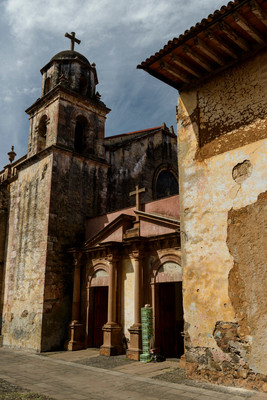
Patzcuaro was founded in the 1320s and when the Spanish Conquistadors arrived in the 16th century, was made capital of the ‘New Spain province’ of Michoacan. The town prospered under Spanish rule and experienced lots of population growth and construction, including the building of several churches.
As a result, Patzcuaro rivals Mexico’s other colonial favorites: the likes of San Miguel de Allende, Guanajuato or San Cristobal de Las Casas. Today, 80,000 people call Patzcuaro home; including many American and Canadian expats; although the town has done quite well to retain its small town feel.
|
|
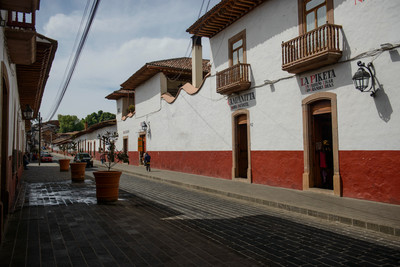
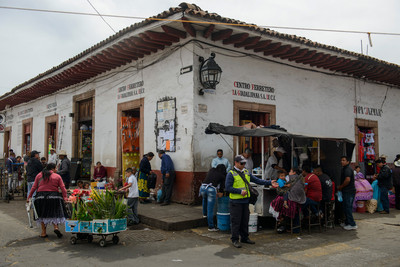
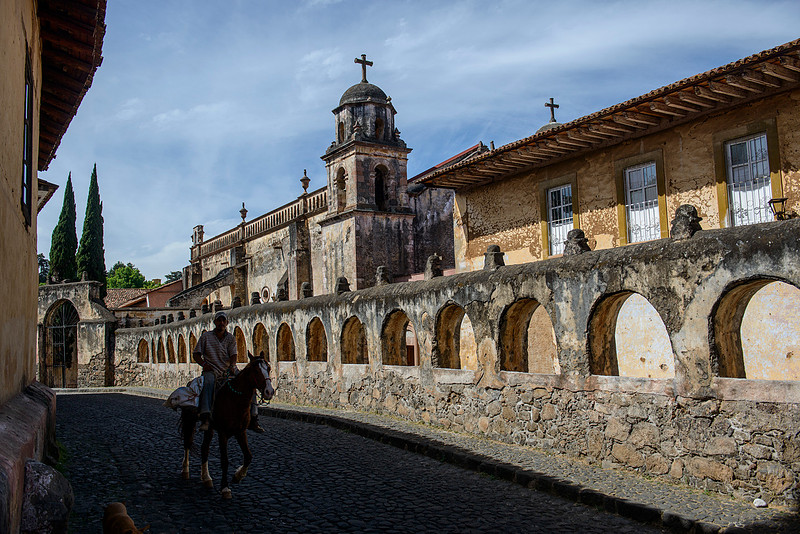
Cobblestone streets dominate the colonial center and most buildings are cleanly painted in the same colors as other magical towns in Michoacan (white and burgundy walls).
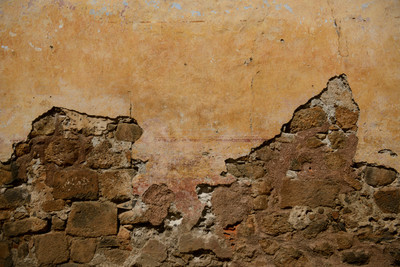
Surprisingly, houses are made of adobe; a dirt-like substance that is dried and cut into bricks; which is a very common building material in parts of New Mexico in the United States, specifically Taos and Santa Fe. The adobe walls are covered in stucco and painted, and protected from rains by an overhanging tile roof.
|
|
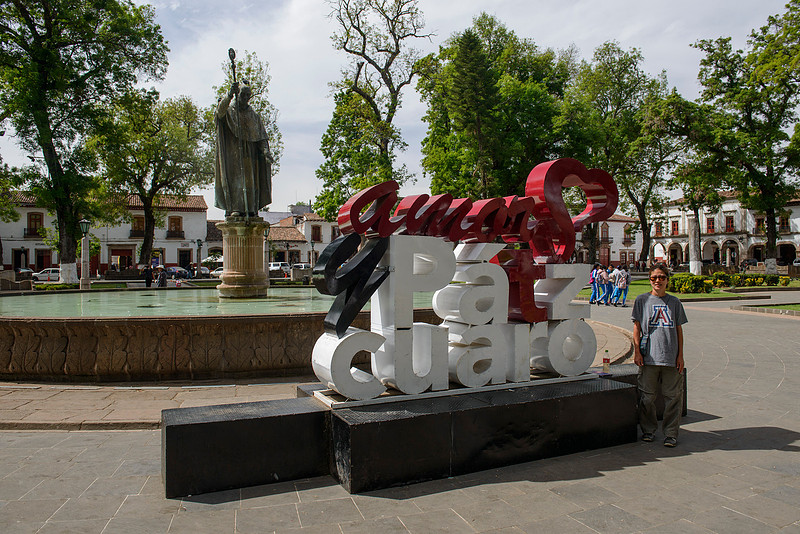
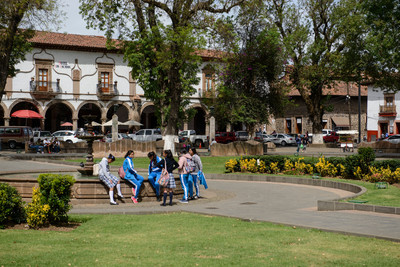
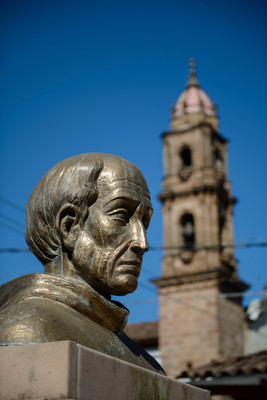
Highlights in the colonial center include the “Plaza Grande”, Patzcuaro’s central square. Even though this square surprisingly doesn’t have a church, it is a nice place to visit with its stately, well preserved houses that surround the statue of Bishop Vasco de Quiroga, who lived in the 16th century and helped bring peace to the region.
The square also has a great bakery – Panaderia – which sells delicious coconut cookies and pastries filled with tuna. Not a bad idea to buy some freshly baked pastries, find a shaded bench on the square and relax while enjoying the soothing music that plays through the speakers around the square …
|
|
|
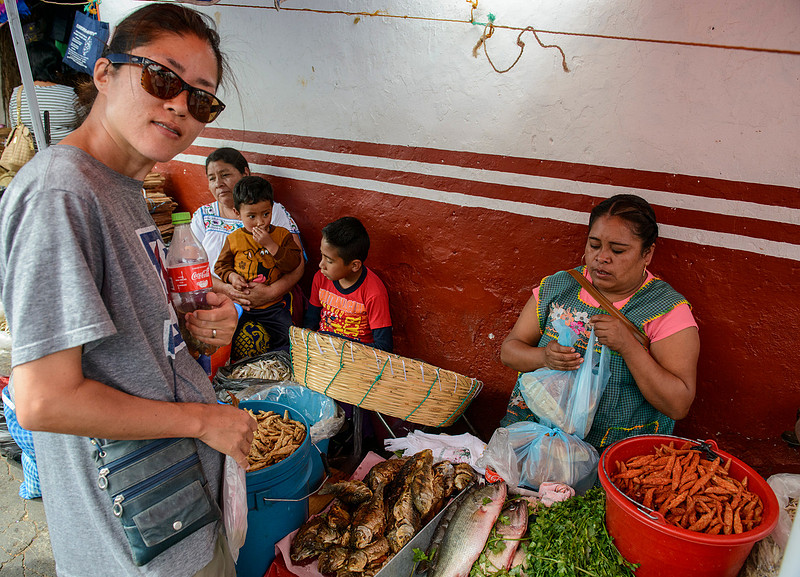
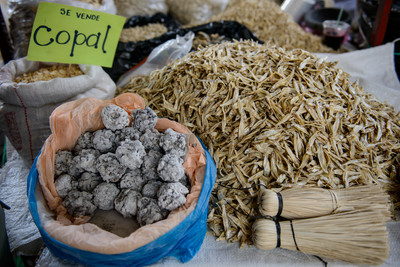
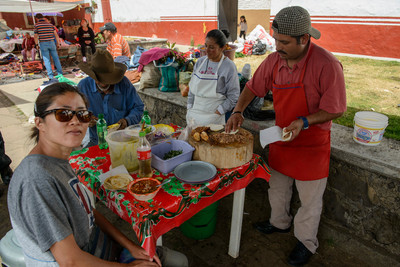
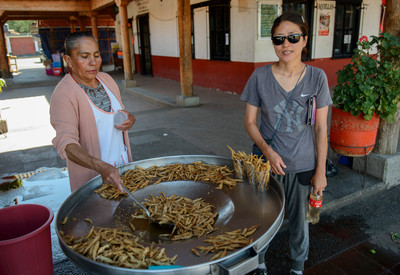
One block away is the “Plaza Chica” which has a market on Tuesday and Friday: a great place to buy fresh, organic, locally grown vegetables and fruits for almost ridiculously low prices. Once you get to know and experience the real Mexico; not the tourist versions of Cancun, Puerto Vallarta, Cabo San Lucas or Acapulco; it’s quite easy to understand why so many ‘Norteamericanos’ head south into Mexico to enjoy their retirement.
The quality of life, the cost of living, the great weather, the culture, the friendly people, the food, the scenery … it’s hard to beat!
|
|
|

|
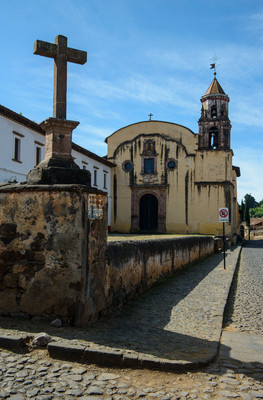
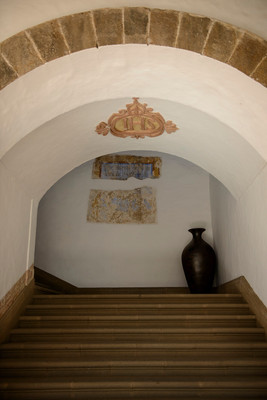
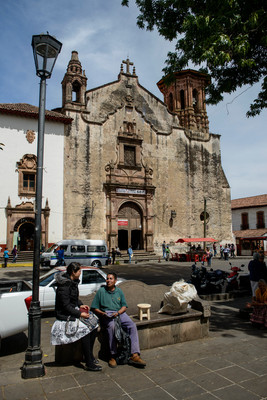
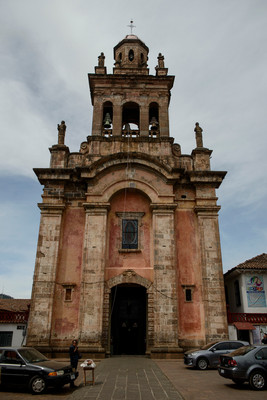
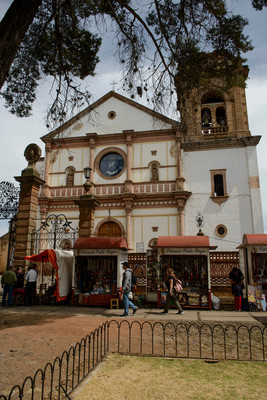
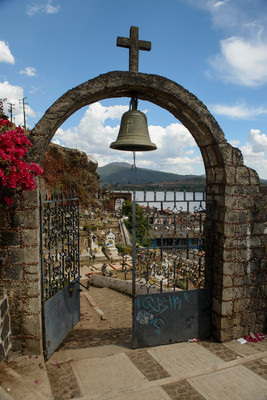
Of course, as with comparable colonial towns in Mexico, there are plenty of beautiful churches to visit around town. And, just walking through the old streets and experiencing the atmosphere and architecture is a treat.
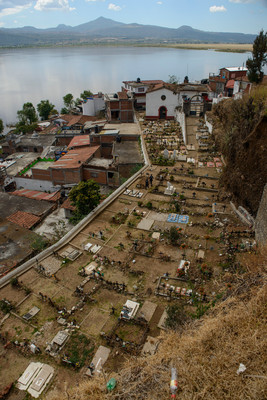
Patzcuaro’s attractions don’t stop at the town’s borders however. Right next to town is Lake Patzcuaro, surrounded by high mountains – some of which are actual volcanoes. The lake is famous for its butterfly-net fishing: a practice demonstrated today by local fishermen for tourists as commercial fisheries have moved on from this practice. The lake contains several islands, the main one being “Isla de Janitzio”.
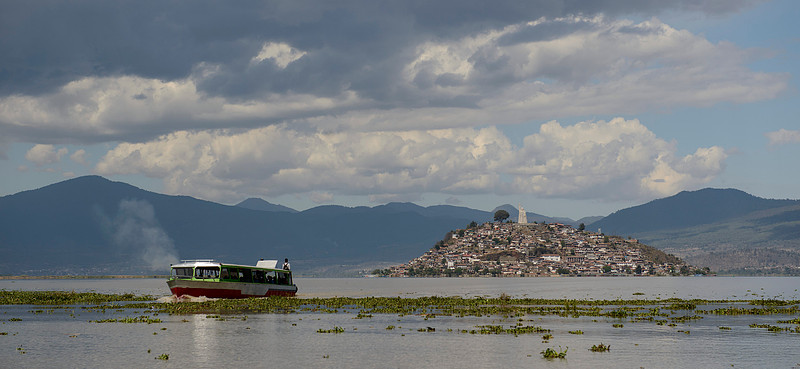
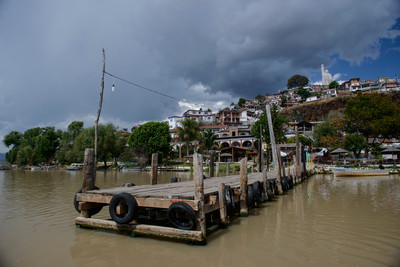
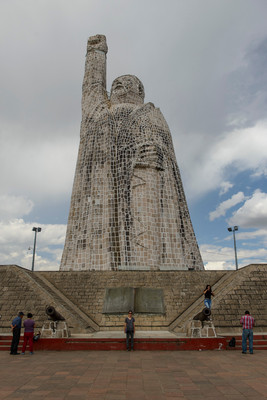
From Patzcuaro’s harbor (“Muelle General”), boats depart for the island on a regular basis. A 30-minute boat ride brings you across the lake to the foot of the small mountain that is Isla de Janitzio. From the island’s harbor, it is a steep climb to the statue of Jose Maria Morelos. Built in 1933, the 40-meter statue honors one of the heroes of Mexico’s battle for independence in the early 1800s.


|
|

|
|
|

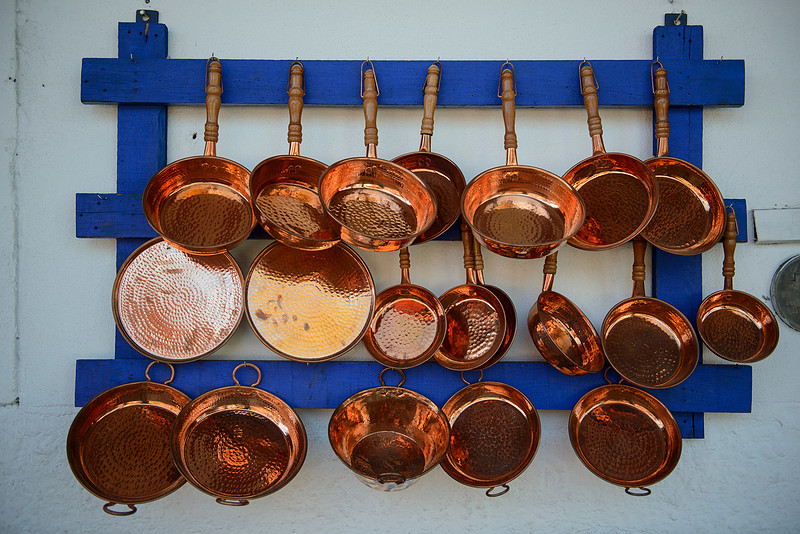
Nearby towns are also worth a visit. Santa Clara del Cobre; an easy 20 minute-drive south of Patzcuaro; is a magical town known for its copper factories and stores. The town is just the right size for an afternoon of exploring and marveling at the many copper things sold in its stores.
Consider driving the ‘loop’ road that goes from Patzcuaro to Santa Clara del Cobre to Lake Zirahuen and back to Patzcuaro: Lake Zirahuan is a small, pretty alpine lake.
|
|
|
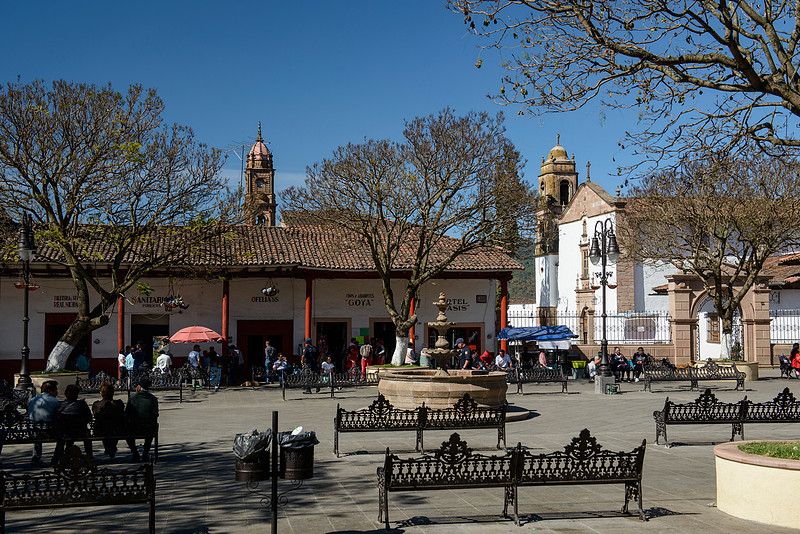
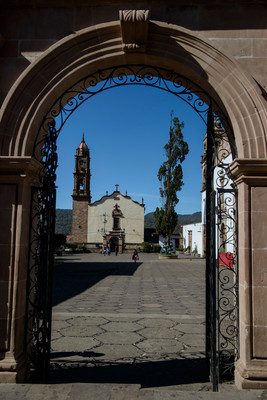
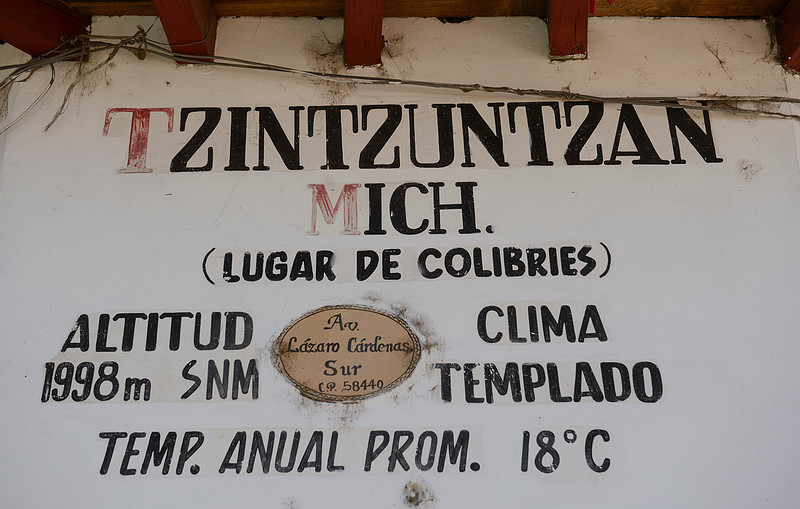
20 minutes north of Patzcuaro and also along the shores of Lake Patzcuaro; sits the small town of Tzintzuntzan.
The name means “Place of the hummingbirds” in the old language. Tzintzuntzan was the capital of the region – known as “Tarasca” – before the Spanish arrived and economic and political activity shifted to nearby Patzcuaro, which at the time was nothing more than a small suburb of Tzintzuntzan. The state of Tarasca was the military and economic powerhouse in the area from the 12th to the 15th century with an empire stretching from Mexico’s west coast all the way to Mexico City. They were quite accomplished fighters as they successfully fought back the Aztec empire on multiple occasions and didn’t know defeat until the Spanish arrived in the 1600s.
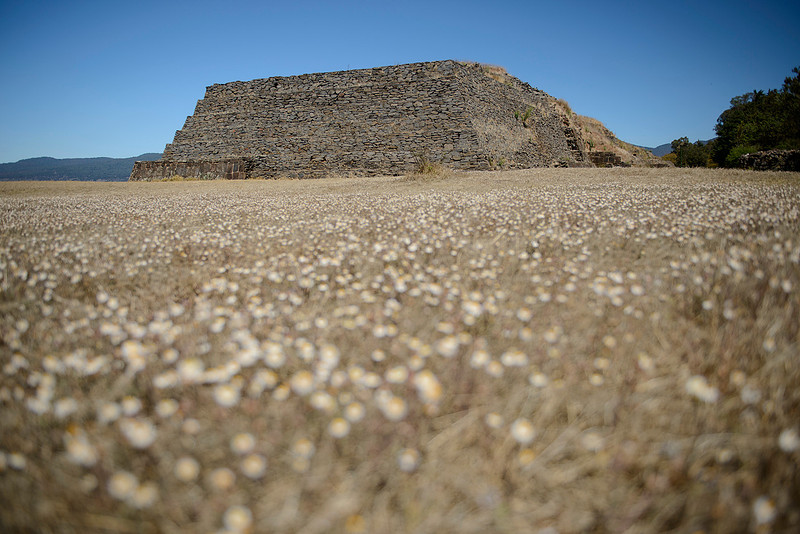
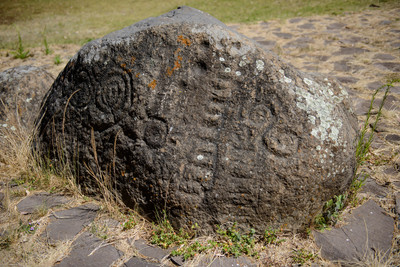
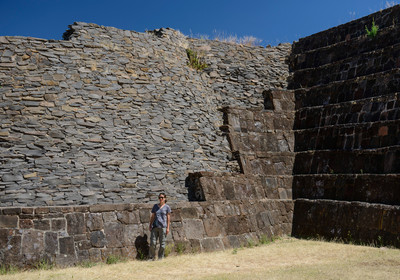
Today, the town is known for its archeological site. It contains the former Tarascan ceremonial center, located on a hill overlooking the town and Lake Patzcuaro. The main draw is the five circular pyramids built here, or “Yacatas”. Interesting to spend a few hours but not really on the same level as Mexico’s other famous pyramids.
|
|
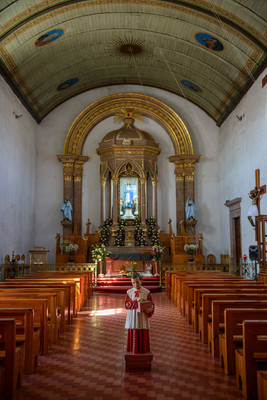
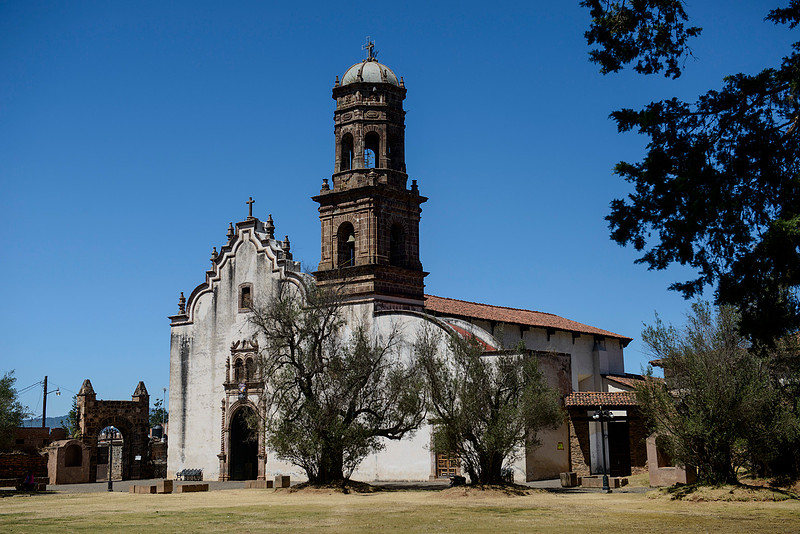
In town, the monastery of San Francisco was built during Spanish reign and is open for visitation. This is a pilgrimage destination: one of the churches in the monastery houses a wax figure of Jesus. The wax figure is said to have miraculously grown 30 centimeters on its own … We enjoyed driving the lake-front route back to Patzcuaro which passes through several indigenous villages and provides great views of Lake Patzcuaro and its islands.
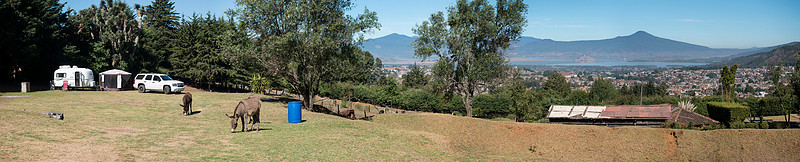
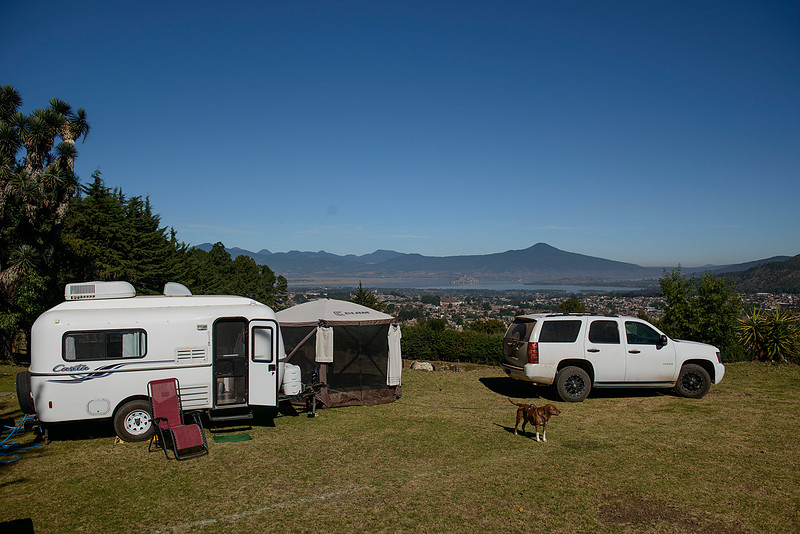
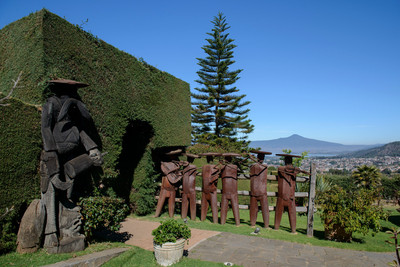
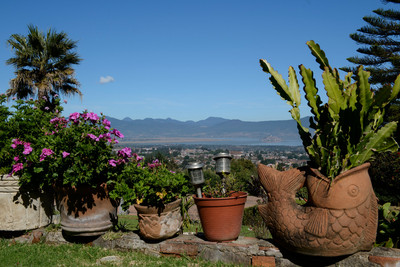
The town also has several great options for RV camping. One is situated along the busy highway MEX 120 near the harbor; “Villa Patzcuaro”. A popular park, it is home to several Americans and Canadians who spend their winter here. We camped at the RV park just outside of town: “Rancho La Mesa”. Whereas Villa Patzcuaro can be a little cramped if you have a big RV, Rancho La Mesa can pretty much accommodate RVs of any size and the park is frequented by RV caravans. When we arrived, 12 RVs were here (most of which were part of a caravan) but then just one week later, it was just us on the campground. It’s hard to imagine a campground with these features being almost empty in the US or Canada. Rancho La Mesa is located near MEX 120 and the toll road between Morelia and Uruapan. It sits on a hill and provides amazing views of Patzcuaro and the lake. Another benefit is that Rancho La Mesa houses one of Patzcuaro’s top restaurants, which gets busy on weekends. The campground provides full hookups and is a 20-minute walk to the colonial center.
|
|